

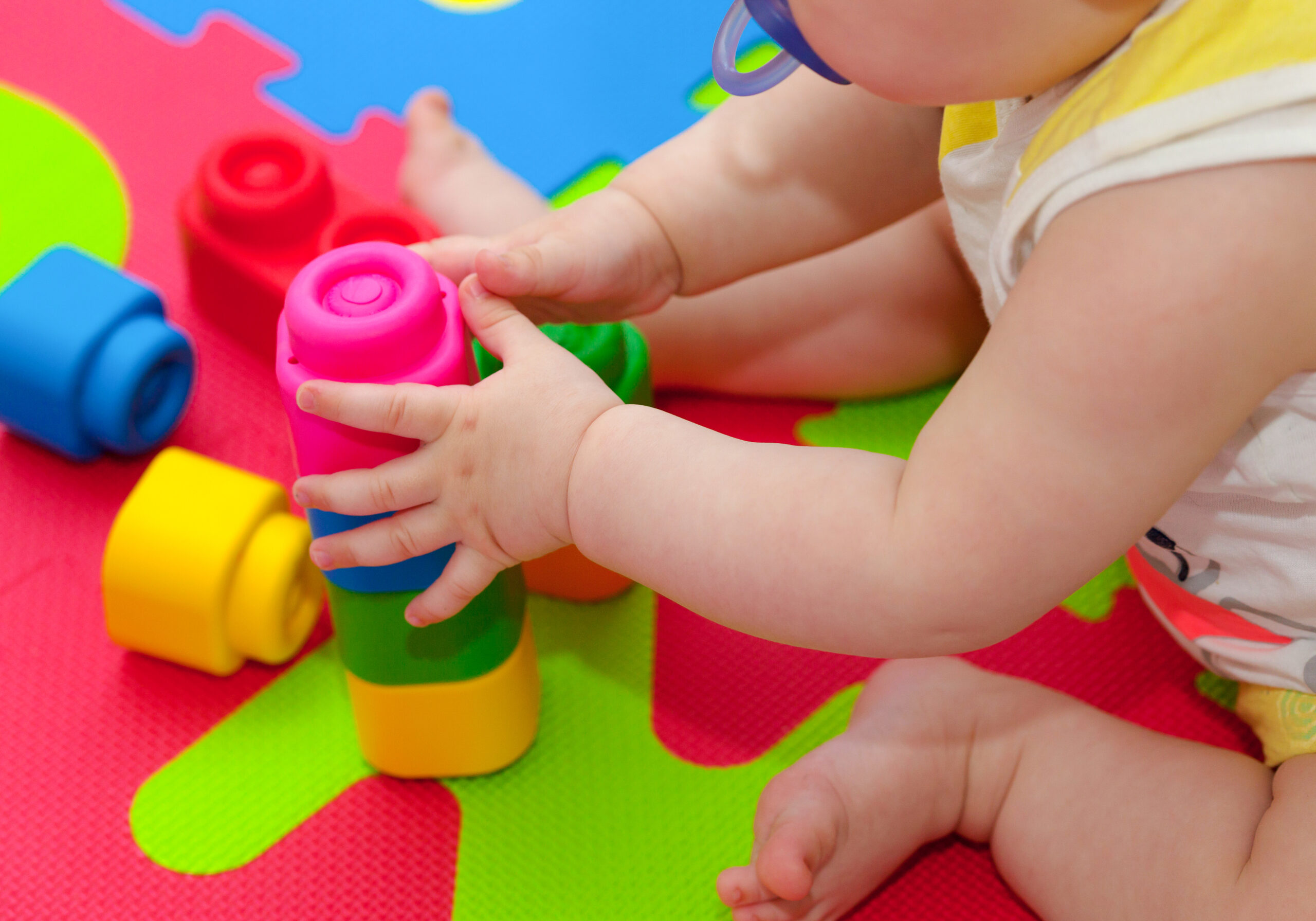
A cozy stuffed bear, towers of colorful building blocks, or a smart robot companion—they all look different, but they share the same mission: to help a child grow. With store shelves overflowing with options, it’s easy for moms and dads to get overwhelmed. Which toys are truly worth your child’s time and your money? This article is like a map to the world of toys: from safety and the CE mark to specific tips on how to listen to your child’s needs and resist the urge to buy impulsively.
What does “high-quality toy” mean?
Safety – the foundation of everything
High-quality children's toys must, above all, be safe. They are made from non-toxic materials, the joints between parts are sturdy, and the electronics are reliably insulated. The CE mark (confirming that the products meet EU requirements) is the first line of defense: if it’s missing, you’re better off putting the toy back on the shelf.
Durability – a friend that “grows” with you
A plastic car that breaks after a week is a letdown for both the child and the planet. A durable toy has a sturdy construction, the ability to be updated (e.g., wooden blocks compatible with new accessories), and multiple-use scenarios —it can be adapted for dozens of different games, so it never gets boring.
Promoting Development – A Game That Teaches
A good toy naturally sparks curiosity: from a pyramid that encourages sorting by color to a building set that teaches spatial thinking. Most importantly, play helps develop real-world skills rather than just staring at a screen.
Toys and Child Development: Timing Is Half the Battle
Rushing to give a "smart" robot to a two-year-old is like teaching someone who is just learning to walk how to swim. A toy chosen at the right time helps develop precisely the skills the child is ready to learn right now.
| Age | Highlights of Development | Toy Ideas |
|---|---|---|
| 0–1 year | Sensory skills, hand-eye coordination | Contrast books, rattles, safe teething toys |
| 1–3 years | Fine motor skills, early language development | Large building blocks, push-and-pull toys, first puzzles |
| Ages 3–6 | Fantasy, role-playing games, social skills | Dollhouses, costumes, modeling clay, simple board games |
| Ages 6 and up | Logic, Reading, and Basic Math | More complex building sets, science kits, and strategy board games |
Hobbies are just as important as age. A child who loves animals will be more drawn to a veterinarian's play set than to a space-themed building set, even if both are intended for the same age group.
The ABCs of Toy Types: From Education to Emotions
| Type | Main objective | Examples | Skill being developed |
|---|---|---|---|
| Educational | Training in specific academic skills | Letter magnets, math games | Language, Mathematics |
| Creative | Self-expression and imagination | Art supplies, modeling clay, musical instruments | Imagination, artistic expression |
| Educational | Motor Skills and Problem Solving | Block towers, balancing games | Coordination, logic |
| Social-emotional intelligence | Empathy, cooperation | Board games for teams, dolls with different expressions | Compassion, adherence to rules |
These categories often overlap: LEGO® building sets are educational (spatial thinking), creative (design), and developmental (fine motor skills) all at once.
Warning Signs: How to Spot a Defective Toy
- A pungent odor. A strong chemical smell may indicate the presence of phthalates or other harmful additives.
- Sharp edges, fragile parts. Run your finger over them—if you feel any rough edges, your little one’s skin will definitely get scratched.
- Missing labeling. CE marking, age icon, and manufacturer contact information are required. If these are missing, the toy’s origin and quality are unclear.
- Small parts for children under 3 years of age. Rule: If a part fits inside a toilet paper roll, it is too small for curious little mouths.
- A suspiciously low price. A toy that costs just 1 euro and imitates a well-known brand often compromises safety.
How to resist short-lived trends
- Ask yourself “Why?” instead of “Wow!” Ask yourself what skill or emotion the toy is meant to foster. If you can’t come up with an answer, the ad is probably playing on your impulsiveness.
- Less is more. Studies show that children who have 4–5 high-quality toys play more creatively than those whose rooms are cluttered with 20 cheap ones.
- Versatility. Wooden blocks, building sets, and art supplies never go out of style and are suitable for children of all ages.
- A culture of passing things on. Choose toys that you can pass on to a younger brother or sister, and later donate to charity or even save for future generations.
Involving Children: Lessons in Mindful Consumption
- Exploring together. Browse a catalog or online store together and ask, “What would this toy teach you?”
- Budget limit. Agree on an amount: “We can set aside 20 euros this month.” This is your first lesson in financial planning.
- A "toy library." Set a rule: "If you want a new toy, you have to give one away to a friend or donate it." This helps the child learn to let go of possessions and appreciate what they have.
- Do it yourself. If your little one is craving a new superhero cape, why not make one out of cardboard? The process often brings more joy than buying one ready-made.
Summary for Parents
- Safety: CE-certified, no sharp edges, no toxic odors.
- Durability: sturdy materials + multiple use scenarios.
- Age-appropriate: Choose based on age and interests.
- Type of toy: Consider whether you want to develop logic, creativity, or emotional skills.
- Red flags: suspiciously low prices, lack of detail, and insufficient information.
- Fashion: Ask yourself, “Who is this for?” and consider its versatility.
- A child's perspective: budget limits, toy rotation, and DIY ideas.
A toy as an investment in a person
A toy is an investment in a child’s abilities and values. By choosing a high-quality item, you’re sending the message: “You deserve the best; quality, safety, and meaning matter.” So next time, instead of giving in to the allure of flashy toys, stop and talk to your little one. This will nurture not only their imagination but also their critical thinking—a skill that will serve them far longer than any LED robot will shine.
Warm, meaningful, and creative play for you and your children. At Mukutis.lt, you’ll find everything your child needs to grow!